基础版 (适合初一 / 初二上)
The Internet in Our Life**
The Internet is very important in our life now. We can use it for many things.
First, we can get information from the Internet quickly. When we have questions, we can search for answers on our phones or computers. It is very convenient.
Second, we can use the Internet to talk to our friends and family. We can send messages, make video calls, or share photos with them, even if they are far away.
Third, the Internet is also useful for our study. We can watch educational videos, read e-books, and do online exercises. It helps us learn better.
However, we should not spend too much time on the Internet. It is bad for our eyes. We should use it properly.
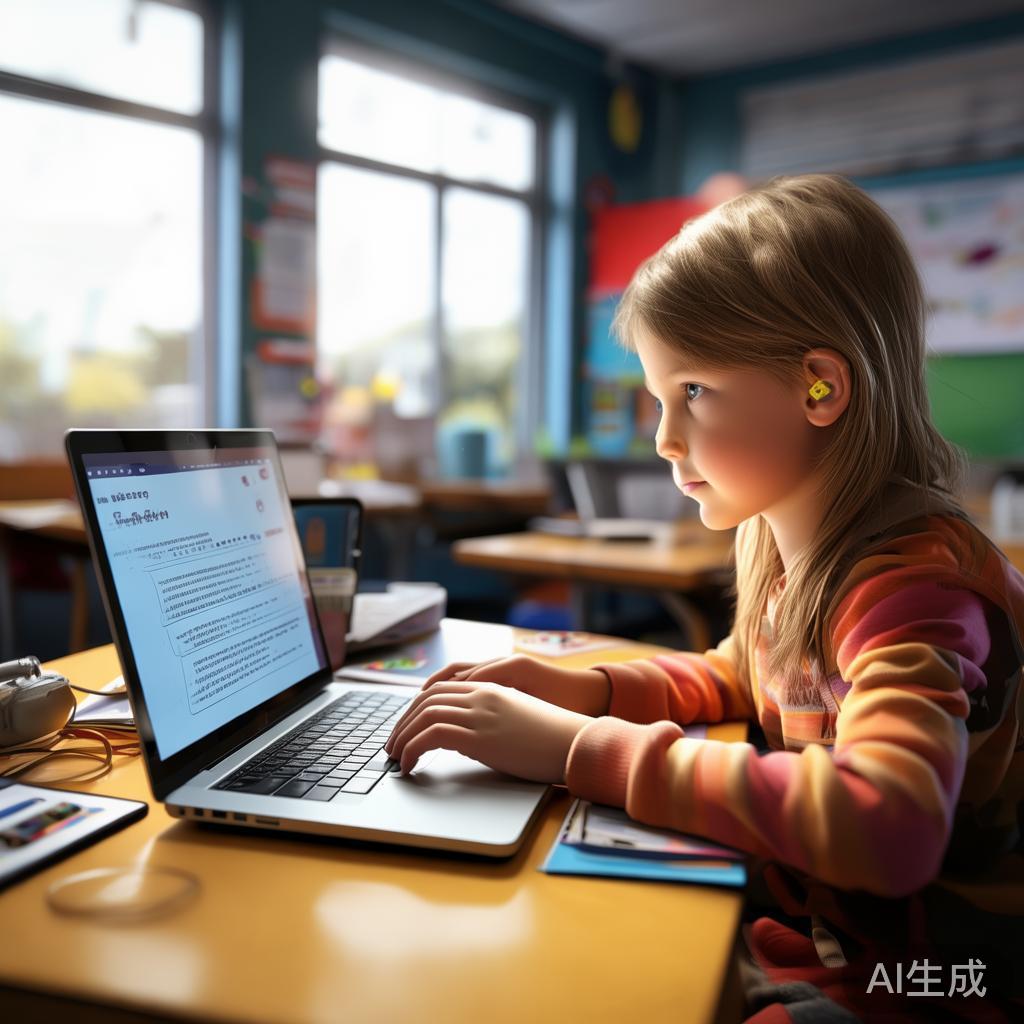
In a word, the Internet is a great tool. We can use it to make our life easier and better.
标准版 (适合初二 / 初三)
The Internet: A Friend or a Foe?**
The Internet has become an indispensable part of modern life. It connects people and opens up a world of information and entertainment at our fingertips. Like a double-edged sword, it brings us both great benefits and potential challenges.
On the one hand, the Internet is a powerful tool for learning and communication. For students, it is a vast library. We can find information for our projects, watch online courses to understand difficult topics, and use educational apps to practice our skills. In terms of communication, social media platforms and video calling apps have made the world a smaller place. We can easily stay in touch with friends and relatives, no matter how far apart they are.
On the other hand, there are also some disadvantages to the Internet. Spending too much time online can harm our health, especially our eyesight. It can also distract us from our studies and homework. Furthermore, not all information on the Internet is true or safe. We must be careful to protect our personal information from online risks.

In conclusion, the Internet itself is neither good nor bad. It is how we use it that matters. We should make good use of it to help us learn and grow, while at the same time being aware of the dangers and using it wisely.
进阶版 (适合初三优秀学生 / 备考)
Navigating the Digital World: The Impact of the Internet**
In the 21st century, the Internet has fundamentally reshaped the way we live, learn, and interact. It is a digital universe that offers unprecedented opportunities but also presents significant challenges that we must learn to navigate.
The most profound impact of the Internet is perhaps on education and knowledge acquisition. Gone are the days when knowledge was confined to textbooks and libraries. Today, a simple search can provide a wealth of information on virtually any subject. Online courses, virtual classrooms, and educational platforms have democratized learning, allowing anyone with an Internet connection to expand their horizons. This instant access to information empowers students to become more independent and proactive learners.
Simultaneously, the Internet has revolutionized communication. Social networking sites and instant messaging services have created a global village, enabling real-time interaction across geographical boundaries. This fosters stronger personal connections and facilitates collaboration on a global scale. However, this constant connectivity can be a double-edged sword. The line between online life and reality can become blurred, leading to issues like cyberbullying and social media addiction, which can negatively affect mental well-being.

Therefore, developing digital literacy is crucial. We must learn to be critical consumers of information, discerning credible sources from misinformation. We also need to practice self-discipline to maintain a healthy balance between our online and offline lives. By harnessing the power of the Internet responsibly, we can truly unlock its potential to enrich our lives and prepare ourselves for the future.
核心词汇与短语
Nouns (名词):
- Internet - 互联网
- information - 信息
- communication - 交流,沟通
- advantage / benefit - 优点,好处
- disadvantage / drawback - 缺点,坏处
- tool - 工具
- library - 图书馆
- platform - 平台 (如社交媒体平台)
- addiction - 上瘾
- cyberbullying - 网络欺凌
- knowledge - 知识
- opportunity - 机会
- challenge - 挑战
Verbs (动词):
- search for - 搜索
- connect - 连接
- communicate - 沟通
- share - 分享
- learn - 学习
- affect - 影响
- protect - 保护
- spend (time) on... - 花费时间在……上
- distract from - 使分心
- harness - 利用,驾驭
Adjectives (形容词):
- important / essential / indispensable - 重要的
- convenient - 方便的
- quick / fast - 快速的
- useful - 有用的
- harmful - 有害的
- true / credible - 真实的,可信的
- safe / unsafe - 安全的 / 不安全的
- digital - 数字的
Phrases & Expressions (短语与表达):
- a double-edged sword - 一把双刃剑 (比喻事物有利有弊)
- at our fingertips - 在我们指尖 (形容非常方便)
- stay in touch with - 与……保持联系
- no matter how... - 无论怎样
- be bad for... - 对……有害
- in a word / in conclusion / in short - 总而言之
- neither...nor... - 既不……也不……
- it is...that matters - 重要的是……
- on the one hand... on the other hand... - ……
- be aware of - 意识到,明白
- make good use of - 好好利用
- open up a world of... - 打开……的世界
Useful Sentence Structures (实用句型):
- The Internet is... (互联网是……)
- We can use the Internet to do sth. (我们可以用互联网来做某事。)
- It helps us... (它帮助我们……)
- However, we should... (我们应该……)
- On the one hand, ... On the other hand, ... (…… ……)
- In conclusion, ... (……)
- It is not what... but how... that matters. (重要的不是……而是……如何……)