Of course! Here is a set of easy-to-understand information about tigers, written for middle school students in English. It includes key facts, characteristics, and why they are important.
All About Tigers: The King of the Jungle
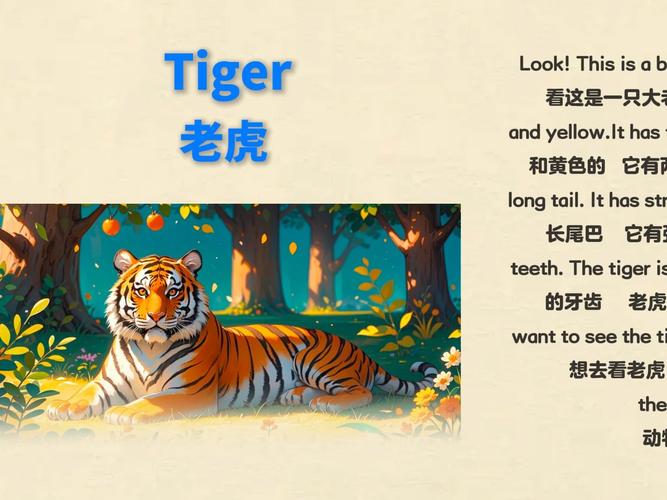
When you think of a powerful and beautiful big cat, the tiger is probably the first animal that comes to mind. With its bright orange coat and black stripes, the tiger is one of the most recognizable animals in the world. Let's learn some amazing facts about this incredible creature.
Basic Information
- Scientific Name: Panthera tigris
- Group: Mammals (they have fur and give birth to live babies)
- Family: Felidae (the cat family)
- Habitat: Tigers live in a variety of habitats, from dense tropical forests and grasslands to swamps. Unlike lions, tigers are excellent swimmers and often enjoy a cool dip in the water.
- Diet: Tigers are carnivores, which means they only eat meat. Their favorite food is large animals like deer, wild pigs, and buffalo. They are skilled hunters who use their strength and stealth to catch their prey.
What Makes a Tiger Special?
- Distinctive Stripes: No two tigers have the same pattern of stripes! Their stripes act like camouflage, helping them blend into the long grass and shadows of their habitat. This makes it easier for them to sneak up on their prey.
- Powerful Body: Tigers are the largest members of the cat family. A male tiger can weigh over 300 kilograms (about 660 pounds)! They have incredibly strong muscles and a long, powerful tail that helps them balance when they run and make sharp turns.
- Sharp Senses:
- Eyes: They have excellent eyesight, especially at night. This helps them hunt in the dark.
- Ears: A tiger's ears are rounded with a white spot on the back. This spot acts like a target, helping other tigers see where it is looking, even from far away.
- Teeth and Claws: Tigers have long, sharp teeth (called canines) to tear meat and retractable claws (like a cat's) to grip their prey.
The Life of a Tiger
- Solitary Animals: Unlike lions, tigers prefer to live alone. They have their own large territory, or "home range," which they mark with scent to warn other tigers to stay away.
- Mother and Cubs: A female tiger, called a tigress, is a very protective mother. She gives birth to a litter of usually 2-3 cubs. The cubs are blind and helpless when they are born. The mother stays with them, teaching them how to hunt and survive for about two years before they go off to live on their own.
Different Types of Tigers
There were once nine different types of tigers, but sadly, three of them are now extinct. Today, there are six subspecies left, and they are all endangered or critically endangered. The most famous subspecies is the Siberian tiger, which is the largest cat in the world.
Why Are Tigers Endangered?
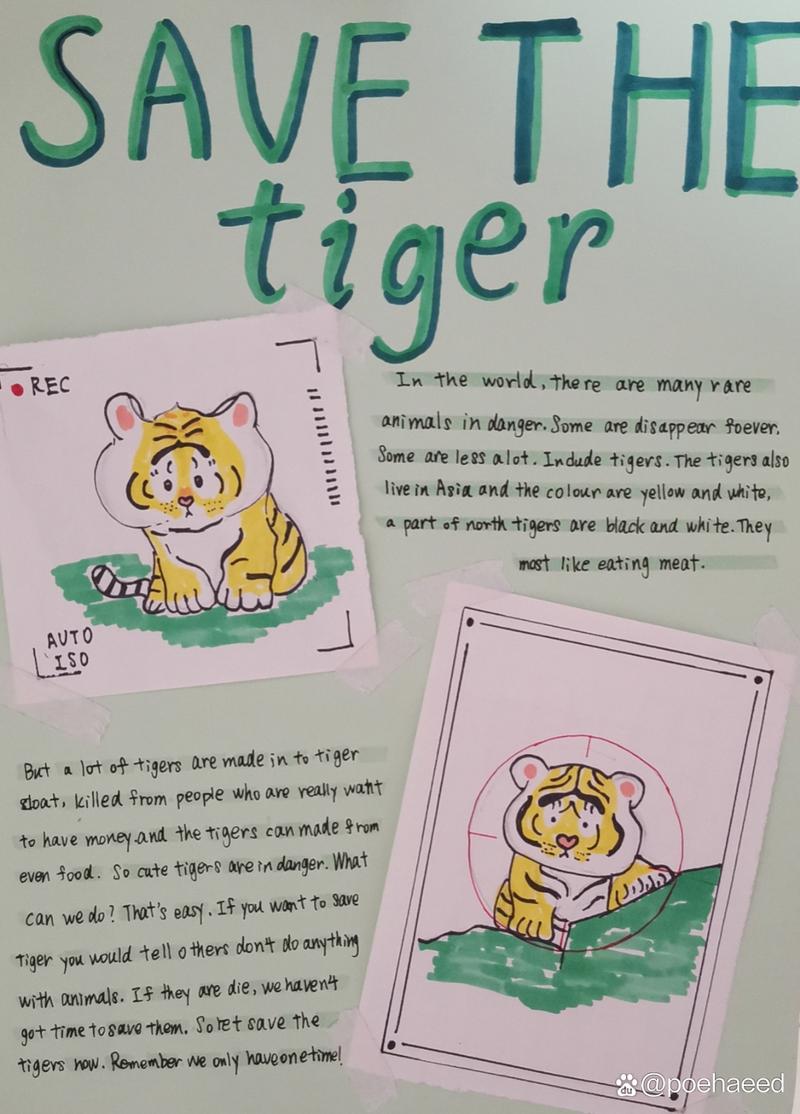
Tigers are in serious danger. There are only about 4,000 tigers left in the wild. The main reasons for this are:
- Habitat Loss: Forests where tigers live are being cut down for farms, cities, and roads.
- Poaching: People illegally hunt tigers for their beautiful fur and for body parts, which are used in some traditional medicines.
- Lack of Prey: When there are not enough animals for tigers to eat, they cannot survive.
Why Should We Protect Tigers?
Tigers are not just amazing animals; they are also very important for our planet.

- Keystone Species: Tigers are "keystone species," which means they play a crucial role in their environment. By hunting deer and other herbivores, they help keep the balance of the ecosystem. This allows plants and trees to grow, which provides food and homes for many other animals.
- Cultural Importance: Tigers are powerful symbols in many cultures around the world, representing strength, courage, and beauty.
Summary / Key Takeaways
- The tiger is the largest wild cat in the world, easily recognized by its orange fur and black stripes.
- They are excellent hunters and swimmers, living and hunting alone.
- Sadly, tigers are an endangered species with only a few thousand left in the wild.
- The biggest threats to tigers are habitat loss and poaching.
- Protecting tigers is vital for the health of the environment and for maintaining biodiversity.
We must all work together to ensure that the magnificent tiger does not disappear from our world forever.